
Why MSI Just Put DDR4 in a New Gaming Laptop
As global DRAM prices surge, MSI's new Katana 15 HX pairs an RTX 5070 with optional DDR4-3200 memory, bringing previous-generation RAM to a modern gaming laptop as component costs climb.

When memory transitions take hold, the older standard usually fades quietly into budget desktop motherboards and legacy inventory. But 2026 has upended typical component cycles. Amid steep memory price hikes driven by enterprise AI infrastructure demand, MSI has taken an unusual step: offering DDR4 memory configurations on a new mainstream gaming laptop.
Offering the Katana 15 HX C14 with optional DDR4-3200 SO-DIMM support puts a spotlight on an awkward truth across the PC market: modern graphics silicon is readily available, but system memory has turned into a painful pricing bottleneck.
Why DDR4 Is Back on the Table
Pairing modern gaming hardware with previous-generation memory comes down to straightforward component economics.
Tom's Hardware put a 32GB (2x16GB) DDR4-3200 SO-DIMM kit at around $200 in late August, against over $400 for a DDR5-6000 kit.
While OEMs pay contract rates rather than shelf prices, the economic direction is the same: absorbing elevated memory costs directly inflates retail machine tags or forces manufacturers to trim budgets on thermal cooling, display panels, or storage. MSI's release describes "optional DDR4 memory available in select configurations" and does not mention memory prices. But reporting quickly drew the connection. Notebookcheck characterized the configuration as a cost-cutting measure tied to DDR5 prices reaching an all-time high, while Tom's Hardware framed the release as a response to the DRAM crisis aimed at filling an affordable-segment gap.
Capable Silicon, Older Architecture
What makes the Katana 15 HX C14 notable is that it pairs DDR4 with serious computing muscle, but that option comes with an architectural asterisk.
The chassis supports up to a 24-core Intel Core i9-14900HX processor alongside an Nvidia GeForce RTX 5070 laptop GPU, backed by a combined 170W thermal budget. This combination is possible only because the 14900HX is a 2024 Raptor Lake Refresh chip whose integrated memory controller still supports DDR4-3200. Intel's current Core Ultra HX processors are strictly DDR5-only, meaning MSI could not have built this workaround on latest-generation mobile silicon. Depending on the region and configuration, the laptop ships with two SO-DIMM slots wired for either DDR4-3200 or DDR5.
Memory capacity presents a glaring quirk in MSI's official specifications, which claim support for up to 96GB of total system memory across two slots for both DDR4 and DDR5 variants. In reality, 48GB DDR4 SO-DIMMs do not exist in consumer channels, meaning DDR4 models in practice max out at 64GB (2x32GB).
The AI Squeeze Behind the Memory Crisis
The resurgence of DDR4 is a direct symptom of the ongoing supply crunch in global memory fabrication.
TrendForce says traditional DRAM contract prices jumped enough to push overall DRAM industry revenue up 59.5% quarter over quarter in Q2 2026, reaching nearly $154.73 billion. While conventional DRAM contract price growth is projected to moderate to 13% to 18% quarter over quarter in Q3, TrendForce attributes the slowdown to some demand shifting from high-capacity RDIMMs to lower-capacity parts, and to PC and smartphone customers running out of room to absorb further price increases. Its headline point is that supply expansion still lags demand.
Crucially, older memory is not immune to the squeeze. TrendForce says DDR4 and DDR3 contract prices rose significantly in Q2, and it expects consumer DRAM "to post the strongest price growth" in Q3 because suppliers have sharply curtailed supply, meaning older memory is not guaranteed to stay cheap.
Major memory fabricators including SK Hynix, Samsung, and Micron are pointing their most advanced capacity at HBM and high-capacity server RDIMMs to meet hyperscaler demand. TrendForce's 2Q26 numbers show what that looks like: extra supply going mainly to servers, Samsung already shipping HBM4, and Micron steering its mix toward pricier server DRAM. With server and HBM orders taking first call on supply, consumer DDR5 has taken a back seat, leaving laptop manufacturers to navigate tight allocations and elevated bill-of-materials costs.
The Gaming Trade-off: How Much Performance Do You Lose?
For gamers eyeing a DDR4-equipped RTX 50-series laptop, the central question is real-world performance loss.
In memory-bandwidth-sensitive workloads such as 4K video rendering, heavy file compression, or complex data manipulation, DDR5 provides a measurable advantage due to its higher theoretical bandwidth, dual independent 32-bit subchannels, and on-module power management IC (PMIC).
In gaming scenarios, the performance difference varies considerably based on resolution, game engine architecture, memory timings, and GPU load. In GPU-bound scenarios at native 1440p or 4K with demanding visual presets, system memory bandwidth rarely serves as the primary bottleneck. Conversely, in CPU-limited titles or high-refresh esports games running at 1080p, faster memory can yield noticeable differences in 1% low frame-times and overall stability.
Until matched laptop configurations of the C14 undergo direct head-to-head testing, final real-world performance deltas remain unbenchmarked on this specific chassis. However, for buyers on a strict budget, allocating funds toward a higher-tier GPU like an RTX 5070 paired with DDR4 may often deliver higher overall visual fidelity than choosing a lower-tier GPU paired with premium DDR5.
What to Watch When Buying
MSI has not announced pricing for either configuration. Once retail numbers appear, evaluating the trade-off will require careful attention to the fine print:
- No upgrade path between standards: DDR4 and DDR5 use completely different physical notches and pin layouts. A DDR4 Katana cannot be upgraded to DDR5 modules later.
- Check your configuration: MSI's release notes that "Specifications may vary by country and configuration," so verify the exact memory standard on the spec sheet before purchasing.
- Pricing reality: If the retail price gap between DDR4 and DDR5 configurations is narrow, opting for DDR5 remains the better long-term choice for bandwidth headroom. When the price difference is substantial, DDR4 represents a practical cost-saving option.
As long as AI data centers continue absorbing global memory wafer capacity, hardware vendors will likely continue exploring creative component combinations to keep gaming laptops accessible.
Sources & References
- MSI (via TechPowerUp): 2026 MSI Katana 15 HX Gaming Laptop Is Now Available (August 26, 2026)
- Tom's Hardware: MSI brings DDR4 back to gaming laptops amidst DRAM crisis... (Kunal Khullar, August 28, 2026)
- Notebookcheck: MSI launches DDR4 config Katana 15 HX C14 gaming laptop in 2026 (Vineet Washington, August 28, 2026)
- TrendForce: DRAM Industry Revenue Rises 59.5% QoQ in 2Q26 as Supply Expansion Continues to Lag Demand Growth, Says TrendForce (September 7, 2026)
More from the desk
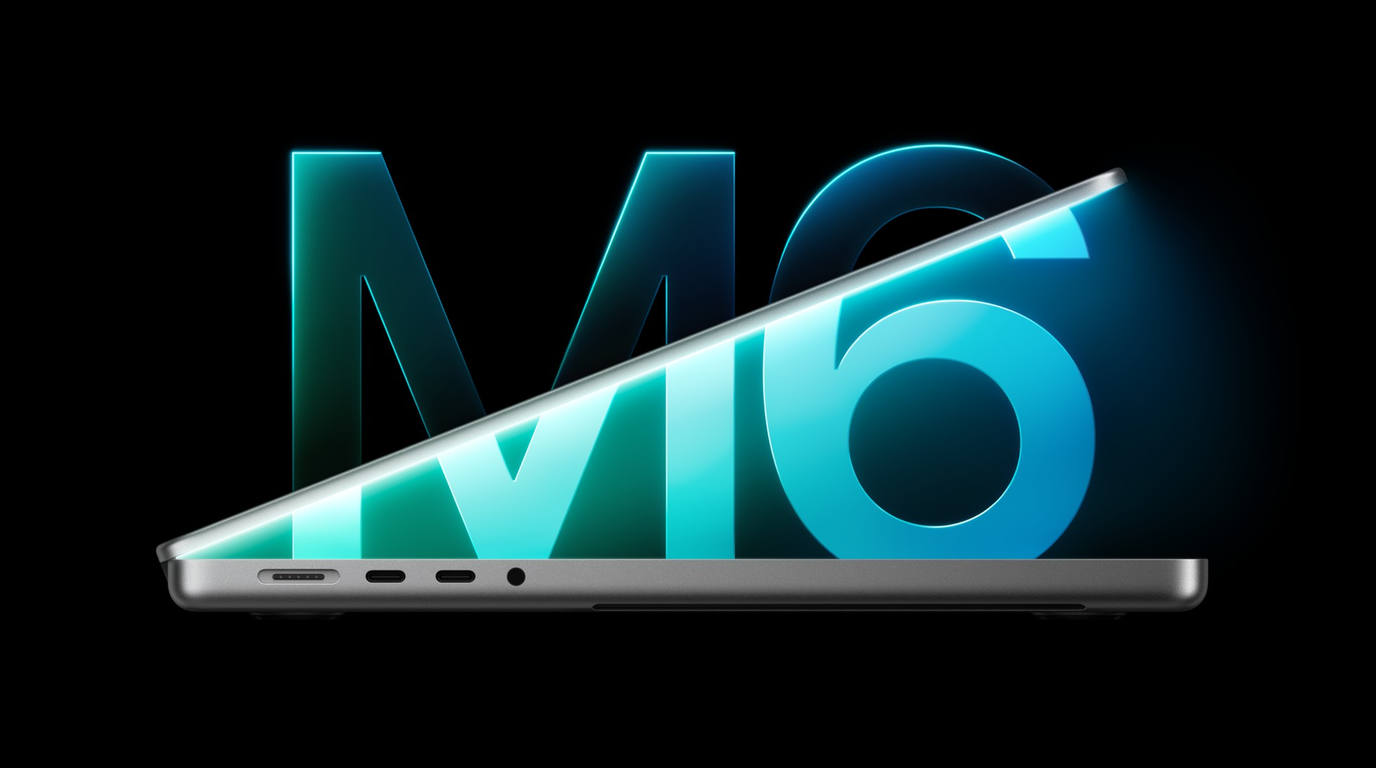
Apple's M6 MacBook Pro Starts at $1,999 With Up to 30% Faster Graphics Than M5
Apple's $1,999 14-inch M6 MacBook Pro has a 12-core CPU and a 12-core GPU, with preorders October 28 and store availability November 6.
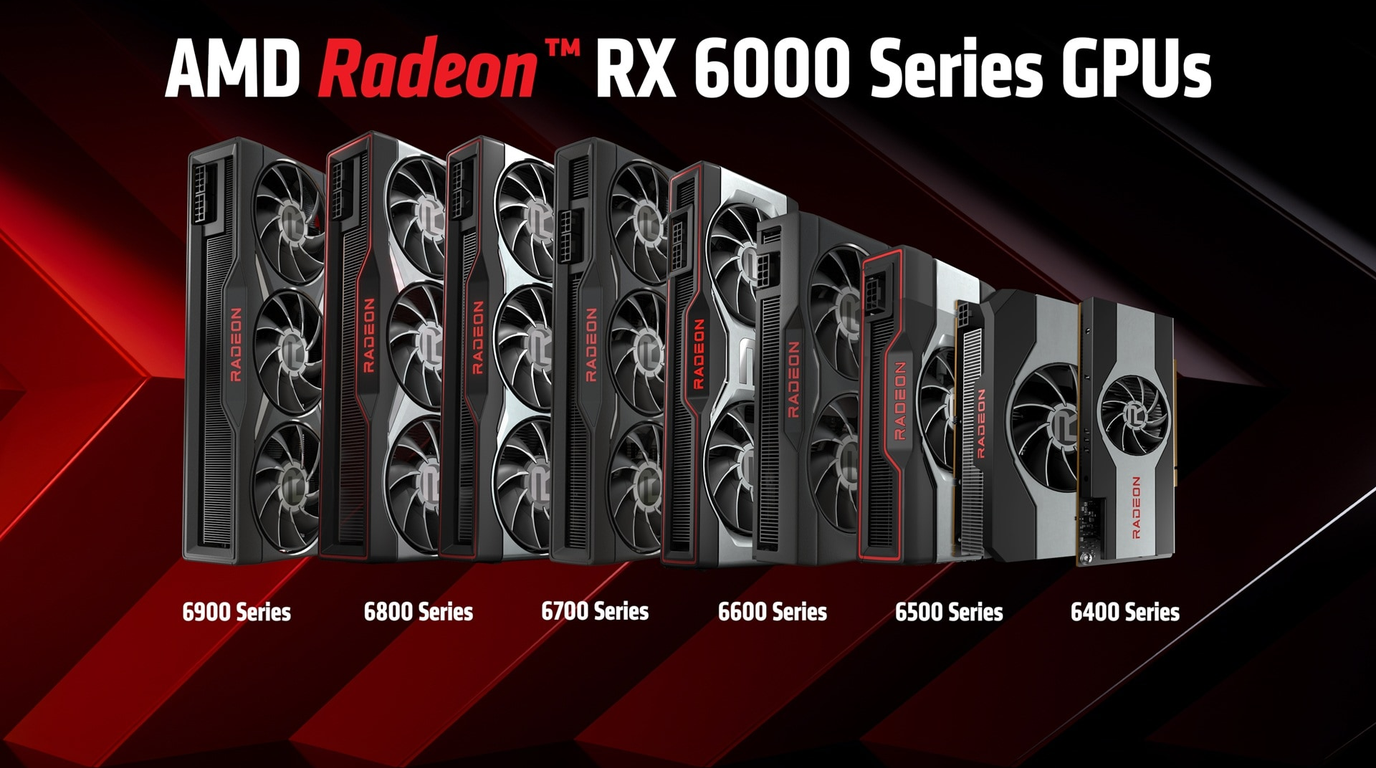
AMD Brings FSR 4.1 to Radeon RX 6000 Cards Months Ahead of Schedule
AMD's Adrenalin 26.10.1 adds FSR 4.1 upscaling to Radeon RX 6000 desktop GPUs and select Ryzen systems, while handheld updates depend on manufacturers and Xbox support is coming soon.

Your Work Email Could Save You 10% or More: What Corporate Employee Discounts in India Really Are
Corporate employee stores sound like they are for companies buying in bulk. They aren't. They are personal purchases at a discount, unlocked with your work email. Here is what they are, how much I saved, and why it pays to talk to the sales team too.