
Apple's M6 MacBook Pro Starts at $1,999 With Up to 30% Faster Graphics Than M5
Apple's $1,999 14-inch M6 MacBook Pro has a 12-core CPU and a 12-core GPU, with preorders October 28 and store availability November 6.
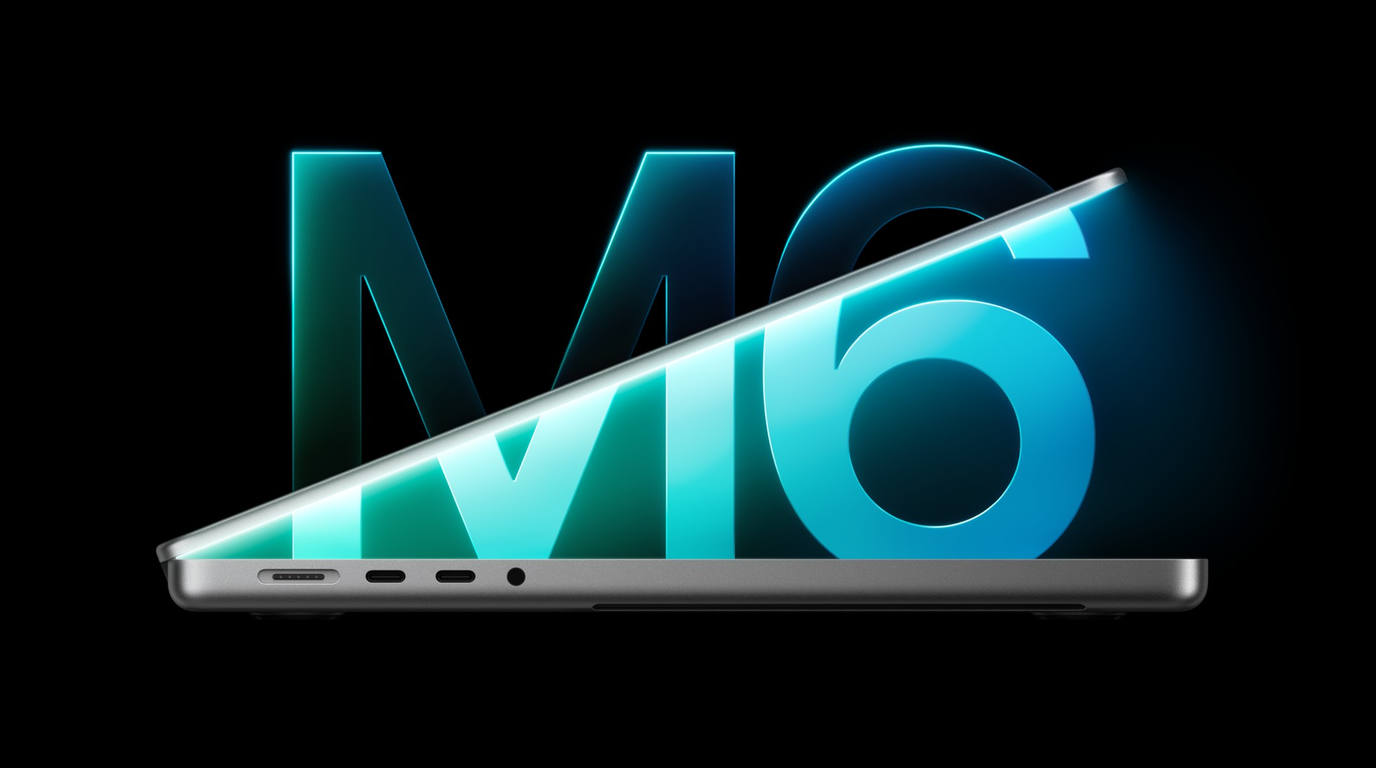
Apple's new 14-inch MacBook Pro starts at $1,999 in the U.S., with preorders opening October 28 and deliveries and store availability beginning November 6. Apple claims up to 30% faster graphics and up to 25% faster on-device AI workloads than M5 in its October 27 announcement.
The buying question is how much those gains matter to your work. A higher performance ceiling helps only when the applications you use can take advantage of it.
What the M6 Configuration Includes
Apple's technical specifications spell out the hardware and an important memory distinction:
| Component | 14-inch MacBook Pro with M6 |
|---|---|
| CPU | 12 cores: two super, four performance, six efficiency |
| GPU | 12 cores, with Neural Accelerators and hardware ray tracing |
| Unified memory | 16GB, 24GB, or 32GB |
| Memory bandwidth | 153GB/s with 16GB; 170GB/s with 24GB or 32GB |
| SSD options | 1TB, 2TB, or 4TB |
| Display | 14.2-inch Liquid Retina XDR, adaptive refresh up to 120Hz |
| Thunderbolt | Three Thunderbolt 4 ports |
That bandwidth split deserves attention when comparing configurations. The maximum figure belongs to the higher-memory versions, so treating every M6 configuration as identical would obscure a real specification difference.
Read the Performance Claims With Their Footnotes
These are Apple's test results. Footnote 2 of the announcement, attached to its graphics claim, identifies an M5 MacBook Pro with a 10-core CPU, 10-core GPU, 32GB of memory, and a 4TB SSD as the comparison system.
An “up to” improvement should guide what to test, rather than serve as a prediction for every project. For an upgrade decision, look for measurements in your own rendering, editing, or local AI applications, with comparable memory and storage configurations.
Battery Life Needs a Workload Attached
The M6 specifications rate battery life at up to 24 hours of video streaming and 16 hours of wireless web use. Neither figure establishes how long a sustained rendering job will run unplugged.
Apple already advertised up to 24 hours for the M5 model in its October 2025 launch release. The headline endurance rating therefore does not establish an improvement over M5.
A Higher Starting Price Raises the Upgrade Bar
That same M5 launch announcement put its original U.S. starting price at $1,599. M6's $1,999 entry price is $400 higher, approximately 25%, comparing the two launch prices. This is a historical entry-price comparison, not a quote for an M5 available today.
The configurations also differ: Engadget reported the $1,599 M5 with 16GB memory and 512GB storage. Apple's specifications list M6 SSD options starting at 1TB. The higher entry price therefore also buys a doubled storage floor, so the $400 gap is not a comparison of matching configurations.
Apple's October 28 PROLED announcement adds 14- and 16-inch MacBook Pro models with M5 Pro or M5 Max. Apple says their PROLED XDR displays use tandem OLED and support touch. The 14-inch M5 Pro version starts at $2,899 (U.S.), with preorders October 28 and availability November 6. That places the $1,999 M6 model as the entry 14-inch option below the new OLED models. The PROLED models include three Thunderbolt 5 ports, while the M6 model has three Thunderbolt 4 ports.
Our take: existing M5 owners should make the case for upgrading with time saved in their actual applications. Buyers replacing an older machine should compare complete configurations, especially memory, before deciding whether the entry model meets their needs. The graphics claim is a useful starting point for that decision, but it cannot settle the value question by itself.
Sources & References
- Apple Newsroom: Apple introduces the new 14-inch MacBook Pro with M6 (Published October 27, 2026; accessed October 28, 2026.)
- Apple: MacBook Pro Technical Specifications (M6 configuration and battery ratings; accessed October 28, 2026.)
- Apple Newsroom: Apple unveils new 14-inch MacBook Pro powered by the M5 chip, delivering the next big leap in AI for the Mac (Published October 15, 2025; accessed October 28, 2026.)
- Engadget: Apple's first M5 laptop is the 14-inch MacBook Pro (Updated October 15, 2025; accessed October 28, 2026.)
- Apple Newsroom: Apple unveils groundbreaking MacBook Pro with PROLED XDR Display and Touch for the first time on Mac (Published October 28, 2026; accessed October 28, 2026.)
Image: Apple, via Apple Newsroom.
More from the desk
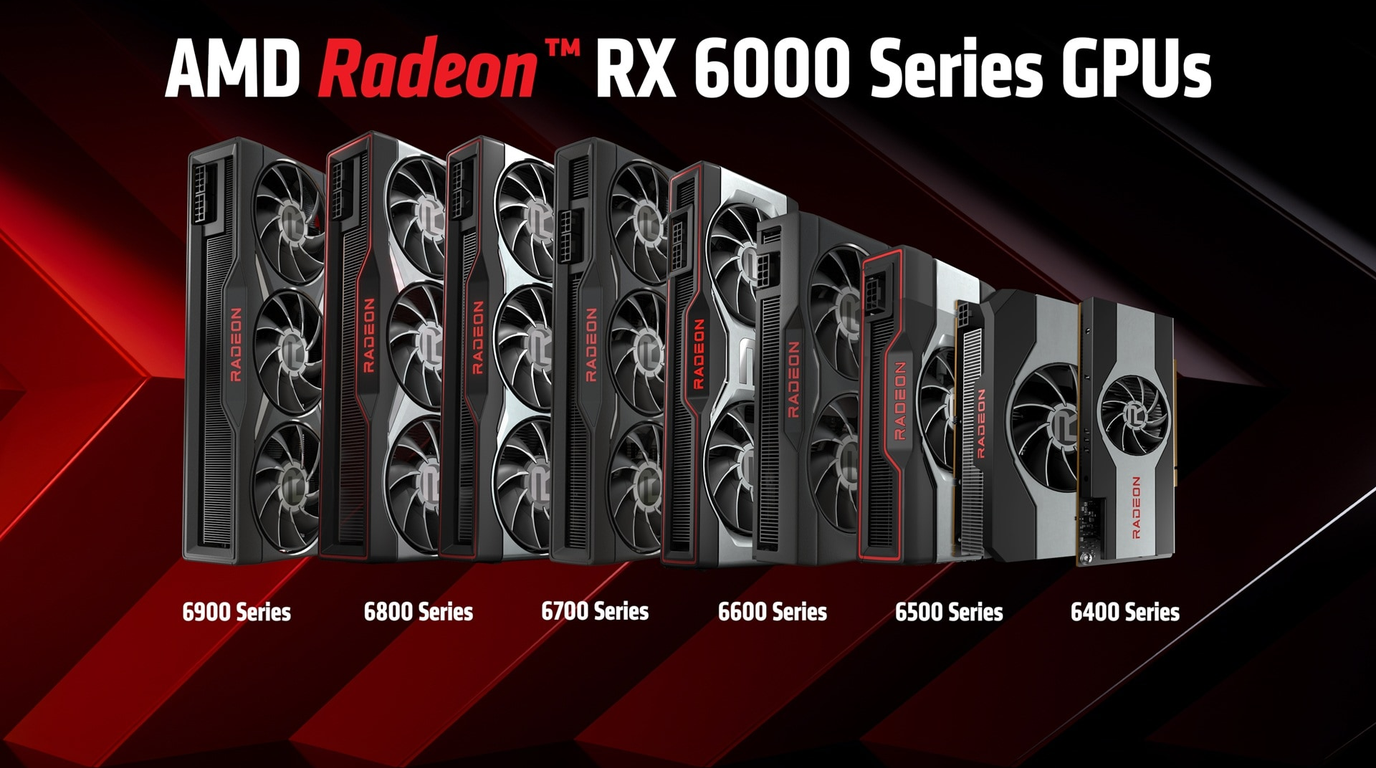
AMD Brings FSR 4.1 to Radeon RX 6000 Cards Months Ahead of Schedule
AMD's Adrenalin 26.10.1 adds FSR 4.1 upscaling to Radeon RX 6000 desktop GPUs and select Ryzen systems, while handheld updates depend on manufacturers and Xbox support is coming soon.

Your Work Email Could Save You 10% or More: What Corporate Employee Discounts in India Really Are
Corporate employee stores sound like they are for companies buying in bulk. They aren't. They are personal purchases at a discount, unlocked with your work email. Here is what they are, how much I saved, and why it pays to talk to the sales team too.
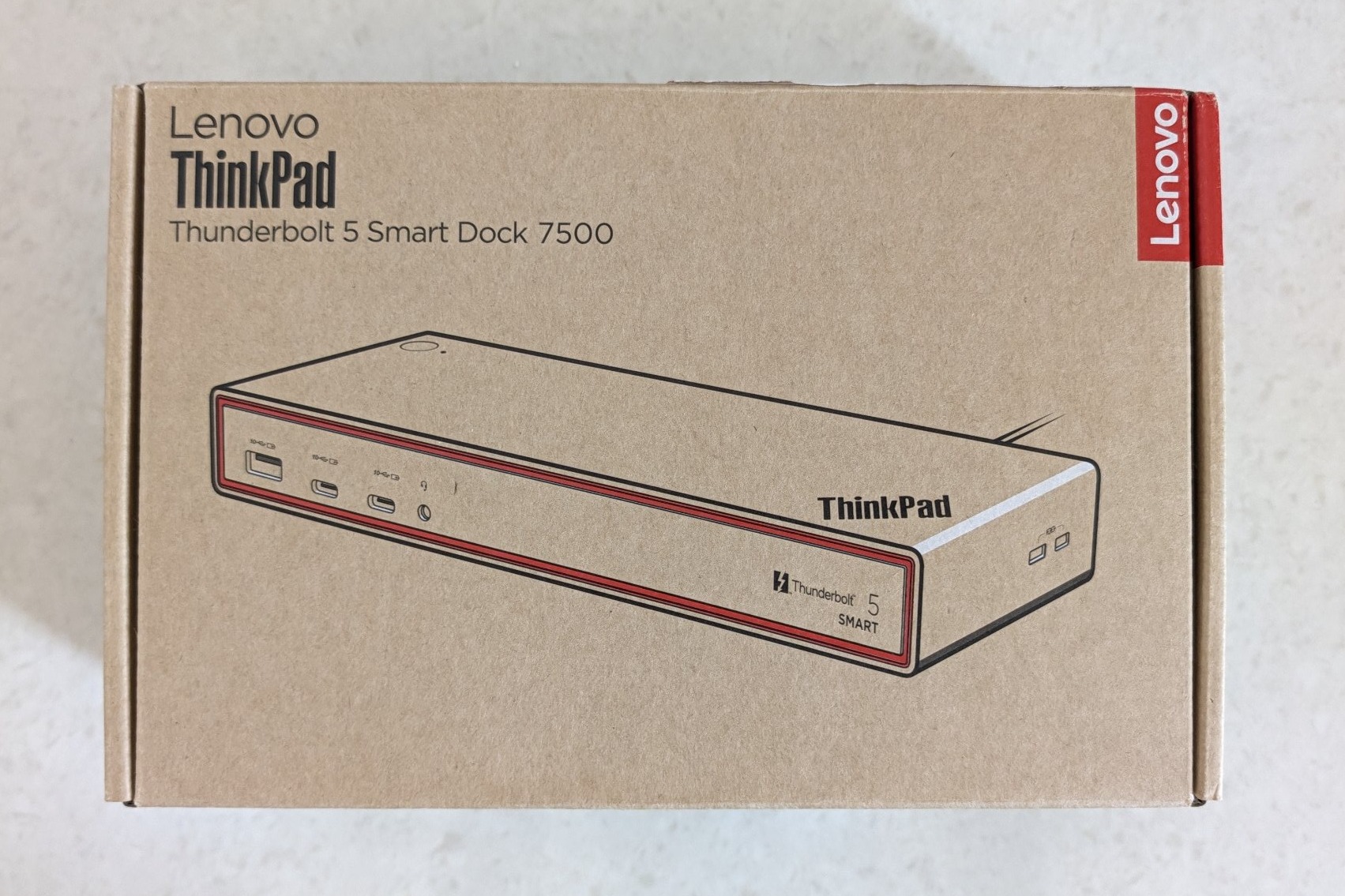
I Changed My Mind and Bought a Thunderbolt 5 Dock: Lenovo ThinkPad Thunderbolt 5 Smart Dock 7500 Hands-On
My Thunderbolt 4 dock guide ended with a plan to buy Lenovo's Thunderbolt 4 dock. I bought the Thunderbolt 5 version instead. Here is why, what living with it on a Dell laptop is actually like, and the warranty mess it took to get it registered in India.