
Valve’s Second Act: Why the Steam Controller 2026 is a Game Changer
Valve has finally released the successor to the cult classic Steam Controller. With TMR sticks, 'Grip Sense' technology, and a magnetic charging 'Puck,' the 2026 model is everything we wanted and more.
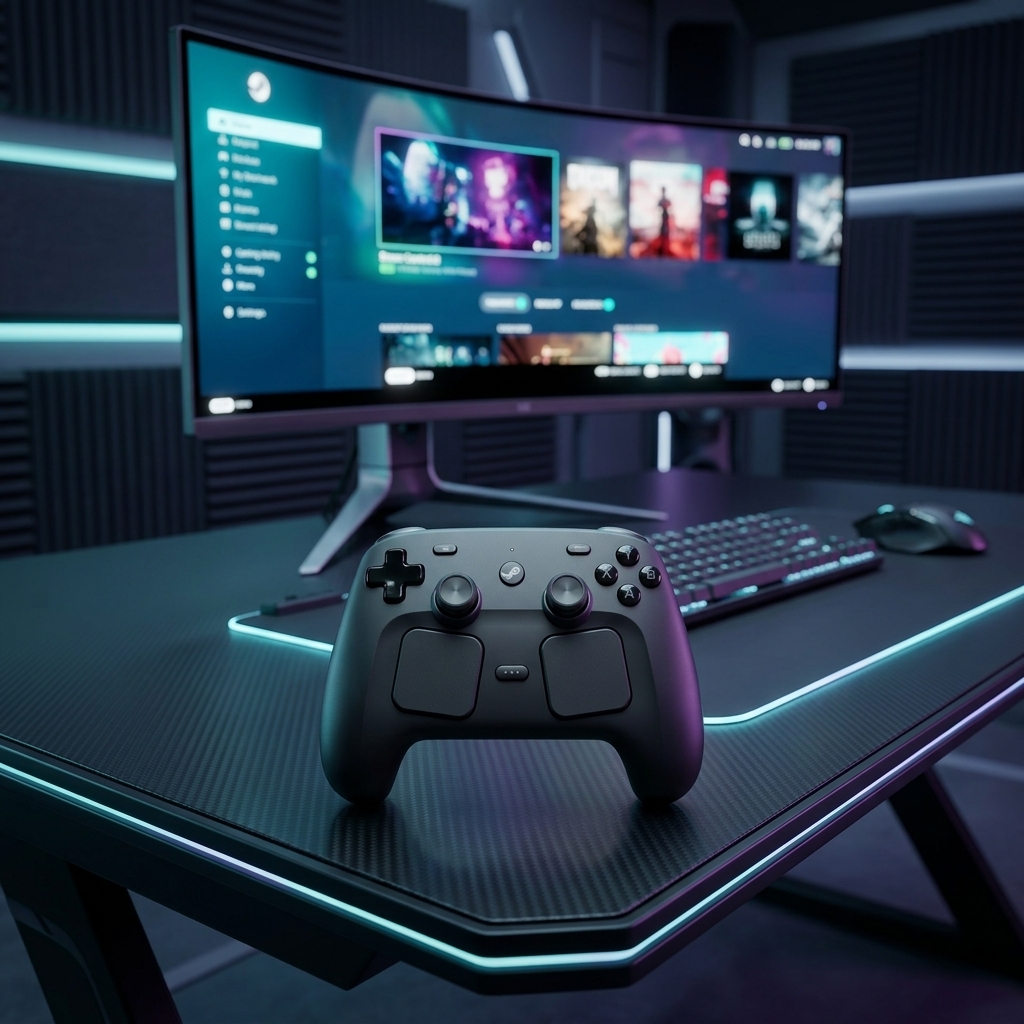
It’s been over a decade since the original Steam Controller divided the gaming world. Some loved its experimental dual trackpads; others couldn’t get past the learning curve. But on May 4, 2026, Valve finally settled the debate.
The Steam Controller 2026 (unofficially the Steam Controller 2) isn't just a sequel; it’s a masterclass in hardware refinement. After spending a week with it, I can confidently say that Valve has taken everything they learned from the Steam Deck and distilled it into the ultimate PC gamepad.
Design: Steam Deck DNA
At first glance, the 2026 model looks familiar. It has clearly inherited the ergonomic DNA of the Steam Deck. The bulky, winged shape of the original is gone, replaced by a more conventional (and comfortable) silhouette.
However, the signature features remain. You still get dual trackpads, but they’ve been shrunk to a precise 34.5mm square and now feature pressure-sensitive haptics. Whether you’re using them as a mouse in Civilization VII or as a radial menu in Starfield, the feedback is crisp and instantaneous.
TMR Thumbsticks: The End of Stick Drift?
Perhaps the biggest upgrade is under the hood. Valve has swapped traditional potentiometers for TMR (Tunneling Magnetoresistance) thumbsticks. These use magnetic sensors instead of physical contact, virtually eliminating the mechanical wear that causes stick drift.
They also feature capacitive touch sensors on the top, allowing the controller to know exactly when your thumbs are resting on them—a feature that integrates beautifully with the gyro controls.
"Grip Sense": The New Frontier of Input
The most innovative feature is undoubtedly Grip Sense. The handles of the controller feature two capacitive zones. Instead of measuring physical squeeze pressure, these sensors detect the presence of your hands (skin contact) to activate inputs.
In my testing, I set "Grip Sense" to activate the gyroscope as soon as I made full contact with the handles. It feels incredibly natural: simply holding the controller firmly activates your aim, while relaxing your hands lets you move more freely. It’s a level of immersion that standard controllers just can’t match.
The Puck: More Than Just a Dongle
Valve has also solved the "where is my dongle?" problem with The Puck. This circular device acts as a high-speed 2.4GHz wireless receiver and doubles as a magnetic charging dock.
When you’re done gaming, you simply drop the controller onto the Puck. It snaps into place with a satisfying click, and a subtle blue LED ring pulses to show it's charging. With over 35 hours of battery life, you won't be using it often, but it's a beautiful addition to any desk setup.
The Verdict: Is It Worth $99?
At $99 USD, the Steam Controller 2026 is priced as a premium device, competing directly with the Xbox Elite and DualSense Edge. But for PC gamers who value customization and precision, it’s in a league of its own.
The only downside? Actually getting one. The initial stock sold out in under 30 minutes, and Valve has already moved to a reservation system. If you see one in stock, and you think you really need one, then you don't have to hesitate.
Key Specs:
- Sticks: Dual TMR (Tunneling Magnetoresistance) with Capacitive Touch
- Trackpads: Dual 34.5mm Pressure-Sensitive Square Pads
- Haptics: 4x Motors (2x HD LRA in pads, 2x High-Output Haptic Motors in grips)
- Buttons: 4x Remappable Rear Paddles
- Battery: 35+ Hours (USB-C or Magnetic Puck)
- Connectivity: 2.4GHz (Puck), Bluetooth 4.2+ (5.0 or higher recommended), Wired USB-C
Valve’s second act was worth the wait. The Steam Controller 2026 isn't just a gizmo; it's the new gold standard for how we play on PC.
What do you think of the new Grip Sense technology? Let me know in the comments below!
More from the desk
GTA VI Consoles Target 30 FPS at Launch as 60 FPS Hopes Fade
Following the 26-minute Extended Look reveal and developer comments, technical analyses indicate Grand Theft Auto VI is targeting 30 FPS on PS5 and Xbox Series X|S.
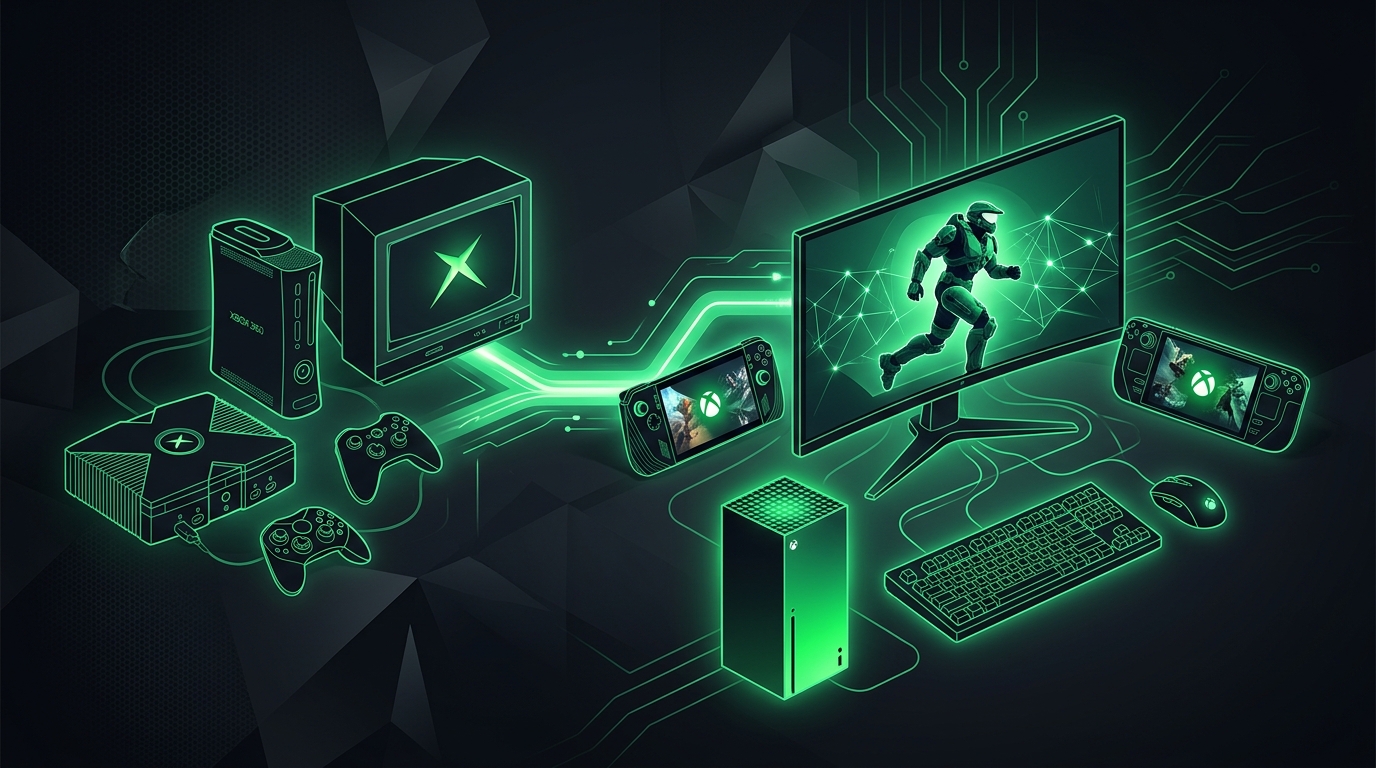
Microsoft Moves to Bring Legacy Xbox 360 Library to PC and Handheld Devices
Microsoft is expanding its game preservation strategy by preparing Xbox 360 titles for PC and handhelds, building on its recent original Xbox PC backward compatibility rollout.

The Death of Disc: Sony to End PlayStation Physical Game Production in 2028
Sony has officially announced it will discontinue physical disc production for all new PlayStation games starting January 2028. Coupled with the newly announced shutdown of the PS3 and Vita digital storefronts, the era of physical console gaming is officially drawing to a close.