
Nintendo's Switch 2 Price Hike: The $500 Reality and the LPDDR5X Margin Squeeze
Nintendo's post-launch price increase for the Switch 2 from $449 to $499 highlights the brutal reality of the 2026 semiconductor and LPDDR5X supply crunch.
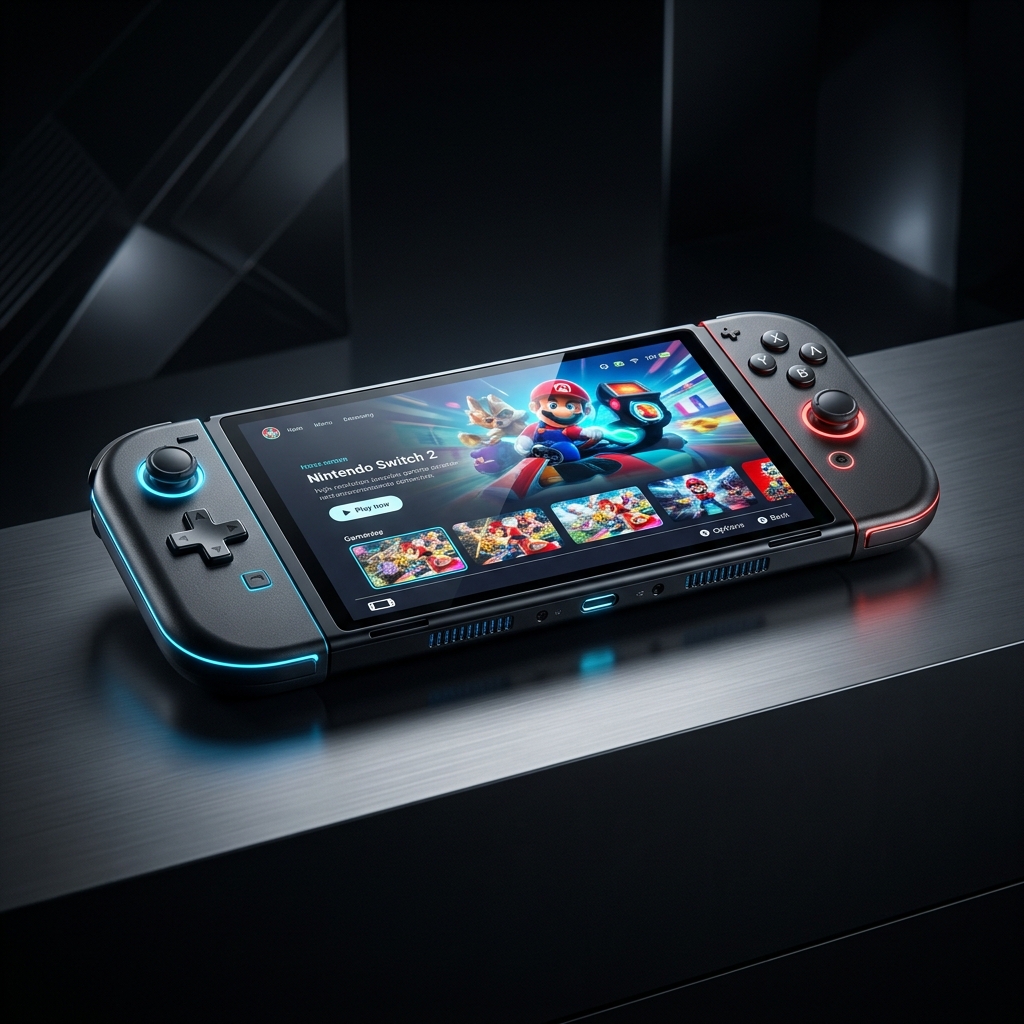
For decades, console pricing followed a predictable, consumer-friendly downward curve. A console would launch at a premium introductory price, and over its lifecycle, manufacturing efficiencies and component cost reductions allowed platform holders to offer price cuts, slim revisions, and enticing holiday bundles.
But in the macroeconomic landscape of mid-2026, the old rules of tech hardware no longer apply.
Earlier this month, Nintendo shocked the gaming industry by officially announcing a $50 price increase for the Nintendo Switch 2, effective September 1, 2026. The console—which launched to critical and commercial acclaim on June 5, 2025, at its target launch price of $449.99—will now retail for $499.99 in the US and €499.99 in Europe.
While Nintendo previously adjusted the pricing of the legacy Switch family (original, OLED, and Lite models) in August 2025 citing "market conditions," this new adjustment is a historic milestone: it is the first time Nintendo has ever raised the price of a current-generation flagship console so early in its lifecycle (less than 15 months post-launch).
Nintendo President Shuntaro Furukawa directly addressed the decision, stating that the price increase was forced by "the recent surge in component prices, particularly memory, and the trends in exchange rates."
This post-launch price adjustment represents a massive reality check. It highlights the brutal supply chain, DRAM shortages, and hardware margin squeezes that are redefining the modern gaming era.
1. The Core Culprit: The LPDDR5X and System Memory Crunch
While the Switch 2 is powered by a custom NVIDIA Tegra T239 processor featuring a hybrid GPU combining Ampere architecture with backported Ada Lovelace features (packing 1,536 CUDA cores) and DLSS upscaling, the true point of financial pain in the console's bill of materials (BOM) is its system memory.
The Switch 2 features a premium memory configuration designed to give developers massive runway: 12 GB of LPDDR5X memory. Within this system architecture, 3 GB is strictly reserved for the operating system (allowing for rich, instant-on system features, background downloads, and active multitasking), leaving a clean 9 GB of high-bandwidth memory available for game developers.
However, the memory market in 2026 has been thrown into chaos:
- The Enterprise AI Squeeze: The explosive growth of AI infrastructure and high-density enterprise server clusters has forced major DRAM manufacturers (Samsung, SK Hynix, and Micron) to heavily prioritize high-bandwidth memory (HBM4), crowding out commodity DRAM wafer capacity and driving up the price of system LPDDR5X.
- The Q1 Price Surge: Consumer-grade DRAM production was pushed to the background, culminating in a massive ~90% QoQ price jump in Q1 2026. For a system utilizing 12 GB of this memory, this severe component price spike completely ate into Nintendo's hardware margins.
- Packaging Substrates: Shortages in high-speed advanced packaging substrates have further driven up assembly costs. As we previously covered in The Global Memory Shortage, gaming hardware is competing directly with multi-billion-dollar corporate datacenter budgets for the same limited semiconductor resources.
Faced with a choice between absorbing these massive memory costs and sustaining long-term hardware losses, Nintendo broke with standard lifecycle patterns to protect its hardware margins.
2. Confirmed Hardware: Why We Haven’t Seen an OLED
The Switch 2's price increase also clarifies why Nintendo made specific design trade-offs at launch that some enthusiasts originally questioned.
The console launched with a highly capable 7.9-inch LCD screen capable of outputting 1080p at up to 120Hz in handheld mode. While the high refresh rate makes portable gaming feel incredibly fluid, many players wondered why Nintendo didn't opt for an OLED panel out of the gate, especially after the massive success of the original Switch OLED model.
The answer is now glaringly obvious: margins. Integrating a 7.9-inch 120Hz OLED screen alongside 12 GB of LPDDR5X under current market conditions would have made a $449 launch impossible. By opting for a premium high-refresh LCD panel, Nintendo managed to launch at the $449 sweet spot in 2025. But even that compromise wasn't enough to withstand the severe 2026 component price surge, eventually necessitating this $50 post-launch adjustment.
3. An Industry-Wide Trend: Sony Blew Past the Ceiling
Nintendo’s price hike is not happening in a vacuum; it is part of a broader shift where console hardware is treated as a high-value, premium commodity.
In fact, Sony blew past the $500 console ceiling months ago. Effective April 2, 2026, Sony implemented a massive wave of hardware price increases in the US:
- The PS5 Digital Edition rose $100 to $599.99.
- The PS5 Disc Edition jumped $100 to $649.99.
- The premium PS5 Pro received a $150 hike, landing at an eye-watering $899.99.
As we analyzed in our PlayStation Days of Play 2026 Leaked Deals Guide, Sony is refusing to offer any official discounts on PlayStation consoles this summer. Component pressures—especially memory and logistics—have kept console manufacturing costs highly rigid, as detailed in PS5 Prices Are Rising Again.
With the Switch 2 moving to $499.99 on September 1st, Nintendo’s hybrid console is entering the pricing territory of the original 2020 home consoles at launch. However, it still sits comfortably below the $600+ baseline reality that Sony is maintaining in the current hardware climate.
4. The Switch 2 Software Economy: Flagship Premium
Justifying a $500 console entry point is further complicated by the shifting pricing dynamics of Switch 2 software. The days of standard $59.99 pricing are fading, replaced by a tiered, premium software economy ranging from $59.99 to $79.99:
- Flagship Premium ($79.99): Major tentpole releases like the highly anticipated Mario Kart World are commanding a premium $79.99 MSRP.
- Standard AAA ($69.99): Highly polished first-party titles like Donkey Kong Bananza occupy the standard $69.99 tier.
- The Hybrid Experiment ($59.99 / $69.99): Releases like Yoshi and the Mysterious Book are testing a split model, carrying a $59.99 digital price tag alongside a $69.99 physical MSRP.
While this tiered system allows some entry-level options, it means that flagship experiences are more expensive than ever.
5. The Active Bright Spot: Backward Compatibility and DLSS
Despite the sting of the price hike and premium software tiers, the Switch 2 continues to prove its value as an exceptional piece of hardware, largely thanks to its highly optimized software ecosystem.
The console's backward compatibility has been a resounding success. Unlike the rough transitions of past generations, the Switch 2 uses a highly sophisticated hybrid of hardware blocks and software emulation to play original Switch games. The results are spectacular: older games load in a fraction of the time, and many benefit from automatic frame rate stability and custom upscaling.
Furthermore, developers are leveraging the 9 GB of available developer memory alongside NVIDIA DLSS to deliver games that visually compete with home consoles. The ability to run high-fidelity titles on a 7.9-inch 120Hz display has cemented the Switch 2's status as a handheld powerhouse, making the transition to the $499 price point far more palatable than it would be for a less capable device.
Smart Buyer Advice: Navigating the Price Transition
With the September 1, 2026 deadline approaching, gamers have a clear window to make smart hardware decisions:
- Buy Before September 1st: If you have been on the fence about upgrading to the Switch 2, now is the time to act. Buying the console at its original $449.99 retail price before the $50 increase takes effect represents a genuine, high-value saving.
- Take Advantage of Back-Compat: If you do upgrade, rest assured that your physical cartridges and digital library from the original Switch will carry over seamlessly, instantly giving you a massive library of enhanced games.
- Prepare for a High-Cost Ecosystem: With premium software rising to $79.99 and accessories remaining firm, budget for the overall cost of ownership. Moving to a premium $500 baseline means that entry bundles with a couple of flagship games and a carrying case will comfortably cross the $650 threshold.
Nintendo’s decision to officially raise the price of the Switch 2 is a historic shift, but it is one forced by the undeniable realities of the 2026 global semiconductor market and DRAM cost spikes. As gaming consoles align with other premium tech sectors, the $500 baseline is the new reality we must all adapt to.
What are your thoughts on Nintendo's official $50 price increase for the Switch 2? Are you planning to purchase the console before the September 1st deadline, or does a $500 Nintendo hybrid console change your gaming plans? Let us know in the comments below!
More from the desk
GTA VI Consoles Target 30 FPS at Launch as 60 FPS Hopes Fade
Following the 26-minute Extended Look reveal and developer comments, technical analyses indicate Grand Theft Auto VI is targeting 30 FPS on PS5 and Xbox Series X|S.
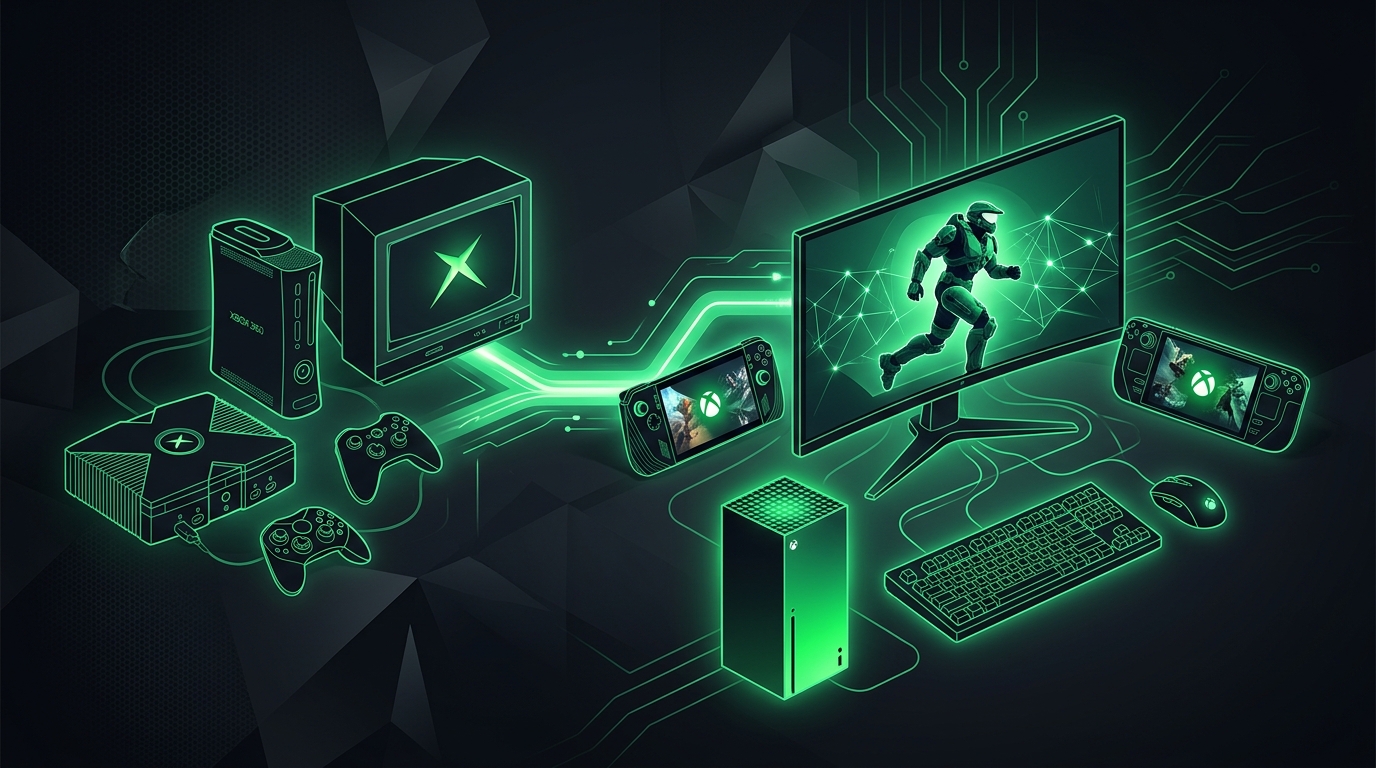
Microsoft Moves to Bring Legacy Xbox 360 Library to PC and Handheld Devices
Microsoft is expanding its game preservation strategy by preparing Xbox 360 titles for PC and handhelds, building on its recent original Xbox PC backward compatibility rollout.
The Death of Disc: Sony to End PlayStation Physical Game Production in 2028
Sony has officially announced it will discontinue physical disc production for all new PlayStation games starting January 2028. Coupled with the newly announced shutdown of the PS3 and Vita digital storefronts, the era of physical console gaming is officially drawing to a close.